
Our Blog

How do I handle my child’s dental emergency?

October 8th, 2014

[caption id="" align="alignnone" width="213"]How do I handle my child’s dental emergency? How do I handle my child’s dental emergency?[/caption]
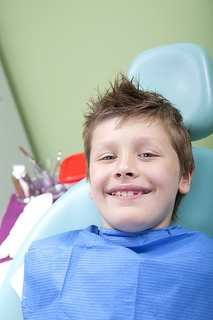
With children undergoing developmental dental changes and engaging in rough-and-tumble activities, dental emergencies can sometimes arise. If your child knocks out a tooth or experiences any type of oral discomfort, call All Smiles Pediatric Dentistry right away so we can provide you with a quick assessment and pain-free treatment.

Before an emergency occurs, it’s a good idea to stay informed about the problems your child may encounter. Here are a few things you should keep in mind about teething pain, loose baby teeth, and other common dental issues.

Teething Pain

Typically occurring in babies that are between four months and two and a half years old, teething may cause excessive drooling, tender gums, and some irritability. Giving your baby a cold teething ring or gently rubbing her gums with wet gauze or your finger may also make her feel better.

Loose Baby Tooth

It is normal for a child’s first set of teeth to become loose and fall out. On the other hand, if your child’s baby tooth is knocked loose, schedule an appointment with our office so we can assess whether any damage has been done.

Issues with Permanent Teeth

Sometimes a child’s permanent teeth will grow in before the baby teeth have fallen out. Even if this condition isn’t causing any discomfort, you should schedule an appointment with our office so we can determine whether your child’s permanent teeth are growing in correctly.

Bleeding Gums

Bleeding gums can result from a number of factors, including periodontal disease, rough brushing, or an injury to the gum tissue. If your child’s gums are bleeding heavily, call our office right away so we can address the situation. If you have time before your appointment, wash your child’s mouth with salted water and gently put pressure on the affected area.

Regardless of the type of dental issue your child has, you can always consult Dr. Allen Job for further guidance. We make sure our emergency services are available 24 hours a day and seven days a week, so you have ready access to convenient and professional dental care that will have your child feeling better in no time.

What's on your fall reading list?

October 1st, 2014

[caption id="" align="aligncenter" width="320"]What's on your fall reading list? What's on your fall reading list?[/caption]

How better to spend the fall months than inside by the fireplace with a warm cup of cider and a book in hand? Dr. Allen Job and our team at All Smiles Pediatric Dentistry encourage you to warm up your mind this fall season with a few great books. Sure it may be easy to put off reading when balancing a hectic schedule, but reading is vital to brain development. Besides, reading is always a blast!

This week, we thought we’d ask what you or your child are reading this fall. Do you have any suggestions for must-read books this year? Out of ideas for great fall reads? Ask us for suggestions, and we would be happy to provide a few. You may also ask a local librarian here in San Diego, CA for some ideas.

Happy reading! Be sure to share with us your fall picks or your all-time favorites below or on our Facebook page!

How do you accommodate a child with special needs?

September 24th, 2014

[caption id="" align="aligncenter" width="321"]How do you accommodate a child with special needs? How do you accommodate a child with special needs?[/caption]

Providing dental care for patients with special needs can be a challenge at times, both for the dentist and the family of the individual. Fortunately, Dr. Allen Job and our team at All Smiles Pediatric Dentistry have the experience needed to provide optimal care for your special-needs child. Here are just a few of the ways our office works to help those who need a little extra care.

Assistance with at-home dental health care

We understand that sometimes at-home dental care can be extremely difficult for those with special needs. Individuals with physical difficulties, which may prevent them from holding the toothbrush, and those with developmental issues, who may have difficulty understanding the importance of dental hygiene, need extra attention with regard to home hygiene care. Our team at All Smiles Pediatric Dentistry can provide support and education to ensure your child will achieve and maintain a healthy smile. For example, devising improvised toothbrushes to help patients get a properly grip, creating a specialized meal plan, and establishing a more frequent office visitation schedule to monitor overall dental health are all areas where our office is happy to help.

Coordinating office care

Dr. Allen Job and our team understand that sometimes special-needs patients feel anxiety when it comes to receiving dental care. In many cases, reliably seeing the same dental health professionals can help to promote a relationship and soothe the patient. We encourage special-needs patients to make appointments at the optimal time of day for them to help everything go smoothly as well. We also encourage preparing your child in advance of the appointment so he or she is not surprised in the office. In certain situations, Dr. Allen Job may also recommend sedation dentistry. Occasionally, special-needs patients are too overwhelmed by the thought of dental care and exams are best performed with the support of light sedation.

Accommodating physical needs

We also understand that special needs patients sometimes need physical accommodations. Two of the more common examples we face are patients in wheelchairs who need access to the office. We are fully compliant with all accessibility regulations to make sure our patients receive the care they need. Other patients need physical props for their mouth to help keep it open if they are physically unable to do so.

Dental care for patients with special needs requires knowledge and experience of limitations and how to address them. In our San Diego, CA office, you will find an accommodating staff ready to help, so your child can receive optimal dental care.

Understanding Cavities

September 17th, 2014

[caption id="" align="aligncenter" width="500"]Understanding Cavities Understanding Cavities[/caption]

Getting a cavity seems like delayed punishment for eating that special dessert every weekend or for the few days you forgot to floss. When you are doing everything right with minimal exception and a cavity is diagnosed, it is discouraging. Knowing how cavities form and what causes them is valuable in knowing how to prevent them. In this blog post, Dr. Allen Job will help you understand cavities!

A cavity is not a one-time event. It is actually a symptom of a disease called caries. Tooth decay is a result of an active infection and condition in the mouth. There are ingredients to this infection, which include bacteria, acid, your tooth, and a food source. The main bacterial culprit is S. Mutans. Bacteria live in a housing structure called biofilm. This offers them protection, food, and an ideal replicating environment.

Biofilm can be healthy if there is a balance of good bacteria. When you have caries, the numbers of “bad” bacteria increase and produce an environment where they thrive and therefore cause tooth decay. A main indicator of this is a pH measurement of your saliva.

Several factors can influence the biofilm pH. Foods and beverages all have different pH levels. The lower the number, the higher the acidity. Since acid promotes tooth decay, a beverage like soda will promote a cavity. Water, being neutral, is a good choice to promote healthy oral pH. Healthy eating can still cause cavities. Here is an example of a highly acidic, yet traditionally healthy meal:

Toast with store-bought strawberry jam, and a cup of cottage cheese topped with fresh cranberries.

Instead, here is a better choice, which involves mixing acidic healthy foods with alkaline (non-acidic) foods to reduce the overall pH:

Toast with almond butter, and Greek yogurt topped with fresh blueberries.

The first example will result in a very low pH in the mouth and even in the rest of the body. The second meal mixes highly acidic blueberries with an alkaline Greek yogurt. Dairy products from cows are highly acidic. Toast is acidic because of the yeast and almonds are alkaline.

A natural buffer is saliva. Whenever mouth breathing or medications compromise the saliva flow, the pH is going to drop and caries can go rampant. Getting a cavity is not just about the sweets or forgotten flossing sessions. It is about the pH levels and bacterial management.

For more helpful tips about how to avoid cavities, contact our San Diego, CA office.